
Why Women Over 40 Need Lymphatic Detox for Weight Loss

Clean eating can feel strangely unrewarding after 40. The same meals that once helped the jeans loosen now seem to do very little. Exercise still matters, but the scale may move slowly, the belly feels swollen by evening, and cellulite can look more visible even when body fat has not changed much.
That is why lymphatic detox has become such a talked-about topic among women over 40. Not because it is a magic cure, and not because the body is “dirty”. The body already has built-in detox systems, including the liver, kidneys, gut, skin, and lymphatic system.
The real issue is flow.
When lymph flow is slow, the body can feel heavy, puffy, tender, and inflamed. For many women, supporting the lymphatic system can help reduce water retention, improve the look of swelling, support recovery, and make healthy weight loss efforts feel less frustrating.
This article is informational only and is not a substitute for medical advice. Sudden swelling, painful swelling, one-sided swelling, or unexplained weight changes should always be checked by a doctor.
The lymphatic system is your body’s drainage network
The lymphatic system is a quiet but essential part of the body. It helps move lymph, a clear fluid that carries immune cells, proteins, fats, cellular waste, and excess fluid from tissues.
Unlike the heart, the lymphatic system does not have a central pump. It relies on:
Muscle movement
Deep breathing
Hydration
Healthy circulation
Good sleep
Gentle pressure from massage or compression
A balanced inflammatory response
When lymph moves well, fluid drains more easily from tissues. When it moves slowly, the body can feel congested.
This is where many women over 40 start to notice changes.
The face looks puffier in the morning. Rings fit tightly. Ankles swell after standing. The belly feels firmer and more bloated by the end of the day. Skin texture changes around the thighs, hips, arms, or stomach.
Not all of this is fat gain. Some of it may be fluid retention, inflammation, and sluggish drainage.
That distinction matters, because eating less will not always fix a drainage problem.
Why lymph flow can slow after 40
The body changes after 40, and those changes can affect fluid balance.
Hormonal shifts play a big part. During perimenopause and menopause, estrogen and progesterone fluctuate. These hormones influence water retention, blood vessel tone, inflammation, sleep, and how the body stores fat.
At the same time, many women become more sedentary without realizing it. Long workdays, driving, stress, caregiving, poor sleep, and less recovery all reduce the natural muscle contractions that help lymph move.
That does not mean the lymphatic system is broken. It usually means it needs more support than it did at 25.
Common signs of sluggish lymph flow may include:
Puffiness in the face, fingers, legs, or ankles
A heavy feeling in the limbs
Bloating that worsens during the day
Cellulite that looks more pronounced when fluid retention is high
Tenderness in areas that feel swollen
Slower recovery after exercise
A general “stuck” feeling despite healthy habits
These signs can also overlap with medical conditions, including thyroid issues, kidney problems, heart conditions, venous insufficiency, medication side effects, lymphoedema, and insulin resistance. That is why persistent or severe symptoms deserve proper medical assessment.
Still, when serious causes are ruled out, improving lymph flow can be a helpful missing piece.
Why dieting often stops working the way it used to
Many women over 40 are already doing the “right” things. They eat vegetables, cut back on sugar, walk regularly, drink water, and choose lean protein. Yet the mirror and scale do not respond as expected.
That frustration often leads to stricter dieting. Less food. More rules. More cardio. More guilt.
But if the body is holding fluid, dieting harder may not produce the visible change people expect.
A few things can happen:
High stress raises cortisol, which can affect water retention and appetite.
Poor sleep affects hunger hormones and inflammation.
Too much intense exercise without recovery may increase swelling and soreness.
Low protein intake can affect tissue repair and fluid balance.
Very low calories may reduce energy, movement, and muscle mass.
Lymphatic support does not replace nutrition or exercise. It helps create better conditions for those efforts to show up.
This is the practical reason behind lymphatic detox for weight loss. The goal is not to “melt fat” overnight. The goal is to support fluid movement, reduce puffiness, ease inflammation, and help the body feel lighter while long-term fat loss happens through sustainable habits.
What lymphatic detox actually means
The word “detox” gets used loosely, which can make it sound like a dramatic cleanse. A useful lymphatic detox is much simpler.
It means supporting the body’s natural drainage pathways through gentle, repeatable habits.
A healthy lymphatic routine may include:
lymphatic massage
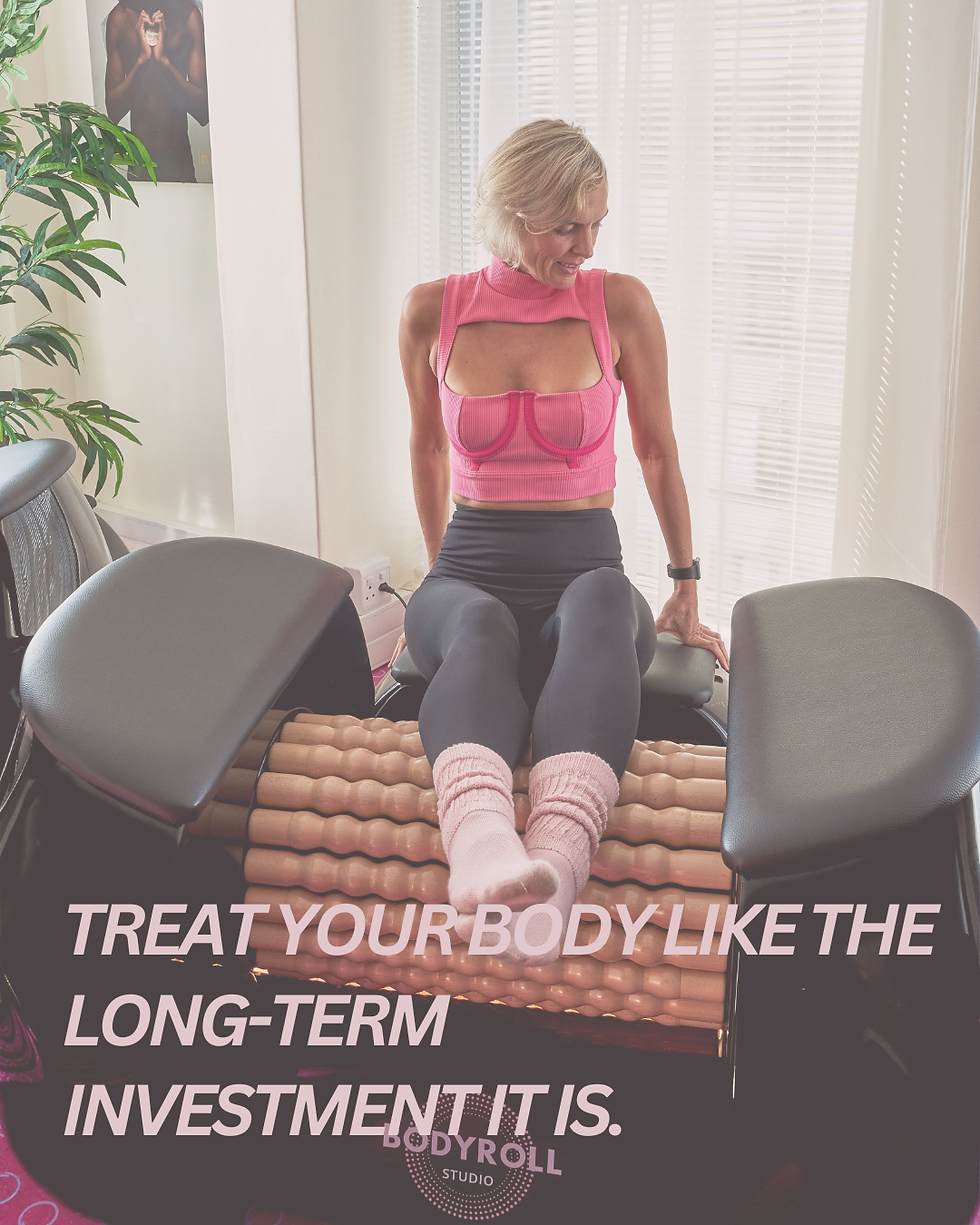
BODYROLL lymphatic drainage massage uses rhythmic pressure to encourage lymph movement. It is not the same as deep tissue massage. In fact, too much pressure can irritate tissue and work against the goal.
SO always remember: lighter pressure against the machine is better for results
YOU CAN START AT HOME
Movement that contracts the muscles
Walking is one of the simplest lymph-friendly habits. Calf muscles act like a pump for the lower body, helping move fluid upward.
Other helpful options include:
Rebounding on a mini trampoline
Swimming
Light strength training
Yoga
Mobility work
Cycling at an easy pace
The best movement is the one you can repeat often without exhausting your body.
Deep breathing
The diaphragm helps move lymph through the chest and abdomen. Shallow breathing, which often comes with stress, can reduce that natural pumping action.
A few minutes of slow belly breathing can help shift the body into a calmer state and support fluid movement.
Try this simple pattern:
Breathe in through the nose for four counts.
Let the belly expand gently.
Exhale slowly for six counts.
Repeat for two to five minutes.
Hydration and minerals
Lymph is fluid, so hydration matters. Plain water helps, but minerals also support fluid balance.
A balanced diet with potassium-rich foods, magnesium, and adequate protein supports healthy tissue function. Think leafy greens, avocado, legumes, yogurt, fish, eggs, nuts, seeds, and vegetables.
Very salty processed foods can worsen puffiness in some people, though salt needs vary depending on health, climate, exercise, and medication.
What changes women may notice first
The first changes from lymphatic support are often not dramatic fat-loss changes. They are usually comfort changes.
Some people notice:
Less puffiness in the face
Looser rings or shoes
A flatter-feeling stomach
Lighter legs
Less tenderness around swollen areas
Improved recovery after exercise
A healthier skin glow
Better body awareness
The scale may drop if the body releases retained fluid, especially after travel, high-salt meals, hormonal changes, poor sleep, or long periods of sitting. But that is not the same as losing body fat.
This distinction protects expectations.
A lymphatic routine may help a person feel visibly less swollen in days
but lasting weight loss still depends on consistent nutrition, movement, sleep, stress management, and hormonal health.
The win is that the body may stop feeling so resistant.
Cellulite, fluid, and why texture can change
Cellulite is common, especially in women. It happens when fat cells push against connective tissue beneath the skin. Hormones, genetics, circulation, skin thickness, collagen, and body composition all play a role.
Lymphatic work will not erase cellulite permanently. No honest treatment can promise that.
But fluid retention can make cellulite look more pronounced. When tissues hold excess fluid, the skin can appear tighter, bumpier, or more uneven. Reducing puffiness may soften the area's appearance.
This is why some women notice smoother-looking thighs or hips after lymphatic massage, better hydration, walking, or reducing inflammation triggers.
The change is often most noticeable when cellulite is linked to swelling, tightness, or heaviness.
When lymphatic detox may not be enough
Sometimes lymphatic support helps, and sometimes the body needs a different kind of care.
Speak to a healthcare professional if swelling is:
Sudden or severe
Only on one side of the body
Painful, red, or warm
Linked to shortness of breath or chest pain
Related to a recent surgery, injury, or infection
Getting worse over time
Paired with extreme fatigue, unexplained weight gain, or hair loss
People with cancer, blood clots, heart failure, kidney disease, active infection, or diagnosed lymphoedema should get medical guidance before trying lymphatic massage or compression.
Lymphatic care should feel gentle and supportive, not painful or extreme.
A simple lymphatic routine for women over 40
A lymph-friendly routine doesn't need to take over your day. The best approach is small and consistent.
Try this for two weeks:
Morning
Drink a glass of water after waking.
Do two to five minutes of deep breathing.
Stretch the neck, shoulders, ribs, hips, and calves.
Midday
Walk for 10 to 20 minutes, even if you split it into smaller sessions.
Avoid sitting for long periods without moving. Stand up, roll your shoulders, lift your heels, and move your ankles.
Evening
Use gentle self-massage on the legs, belly, or arms.
Keep pressure light and slow.
Finish with a warm shower, then elevate the legs for a few minutes if they feel heavy.
Throughout the week
Get your bodyroll session booked
+
Add two or three strength sessions if possible. Muscle supports metabolism, posture, circulation, and long-term weight management.
Prioritize sleep. Poor sleep can increase cravings, inflammation, and water retention.
Eat enough protein. Many women under-eat protein while trying to lose weight, which can work against muscle maintenance and recovery.
This kind of routine supports the lymphatic system without stressing the body.

The real reason women over 40 are talking about it
Lymphatic detox is gaining attention because it gives language to a frustrating experience.
Many women aren't imagining the puffiness, heaviness, and stubbornness that can show up with age, stress, hormonal shifts, and slower recovery. The body can look and feel different even when you keep trying.
Supporting the lymphatic system helps shift the focus from punishment to care.
That matters.
A body that feels swollen does not need more shame. It needs better drainage, steadier habits, enough recovery, and medical support when symptoms point to something deeper.
For women over 40, lymphatic detox can support weight loss by addressing the fluid, inflammation, and stagnation that often make progress hard to see. It will not replace healthy eating or movement, but it can help those efforts feel more effective.
The takeaway is simple: if the body feels puffy, heavy, and stuck, the next step may not be eating less. It may be helping the body move what it has been holding onto.


Comments